Hydrogen combustion research
Hydrogen engine programs involve fuel delivery, combustion management, engine protection, materials selection and application-specific testing.

Hydrogen combustion concepts, electric rolling chassis and integrated vehicle-control systems for next-generation commercial mobility.
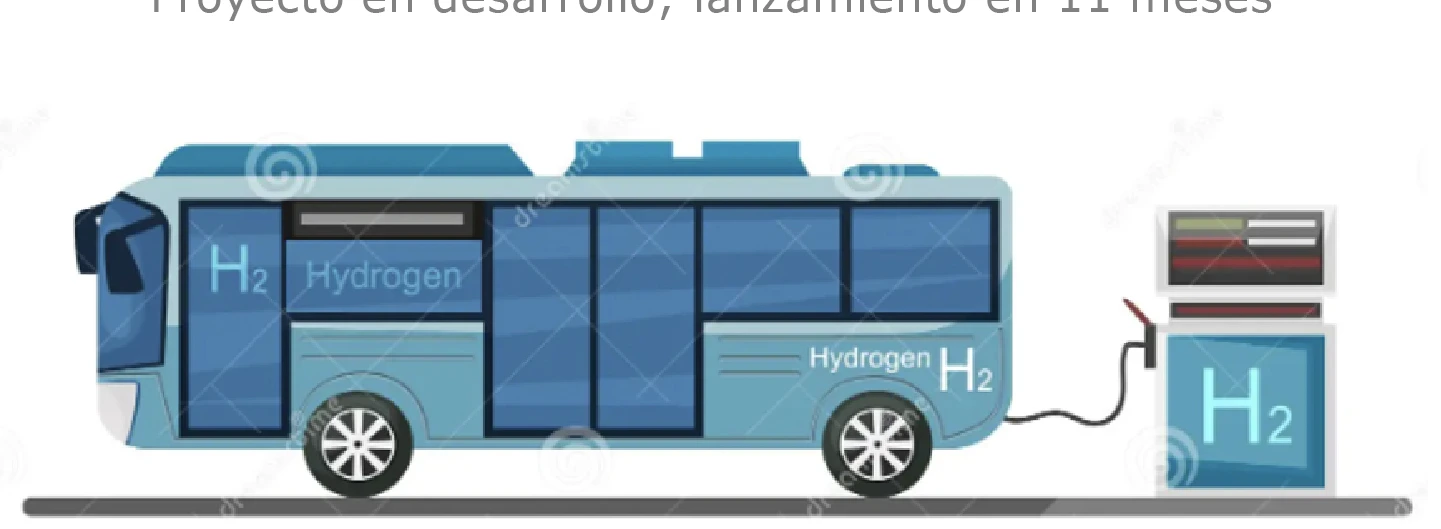
NGV has explored hydrogen internal-combustion and rolling-chassis concepts for commercial transport. The hydrogen bus illustration below is a development concept, with engineering considerations including storage, powertrain integration, combustion management and vehicle controls.
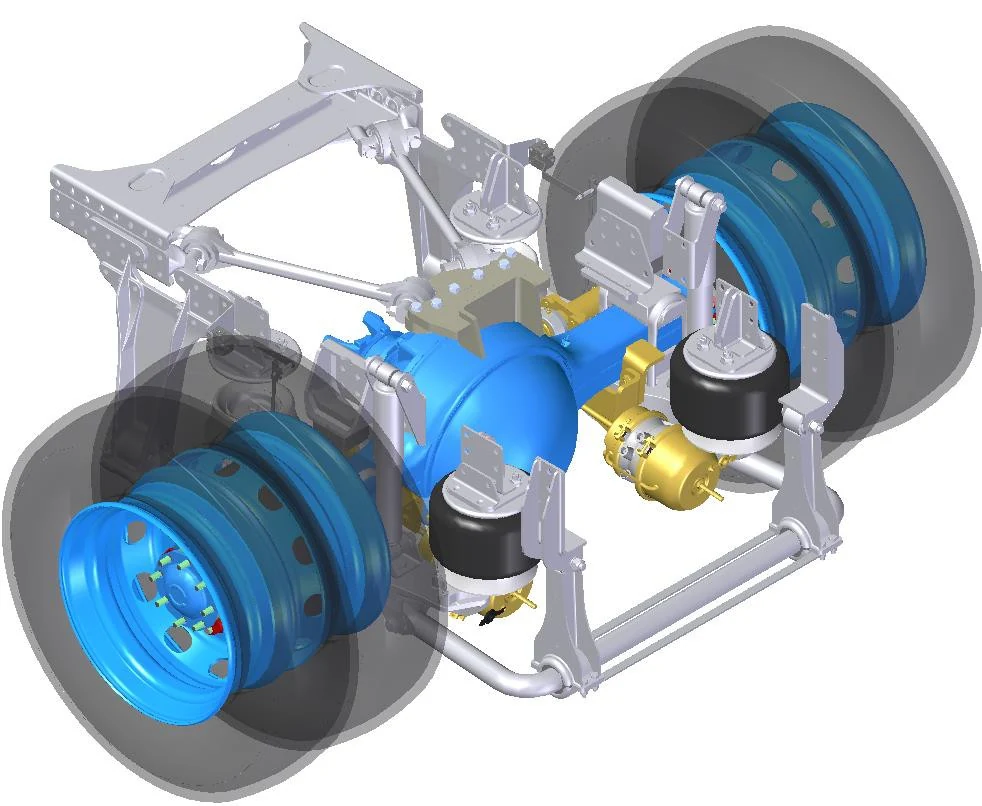
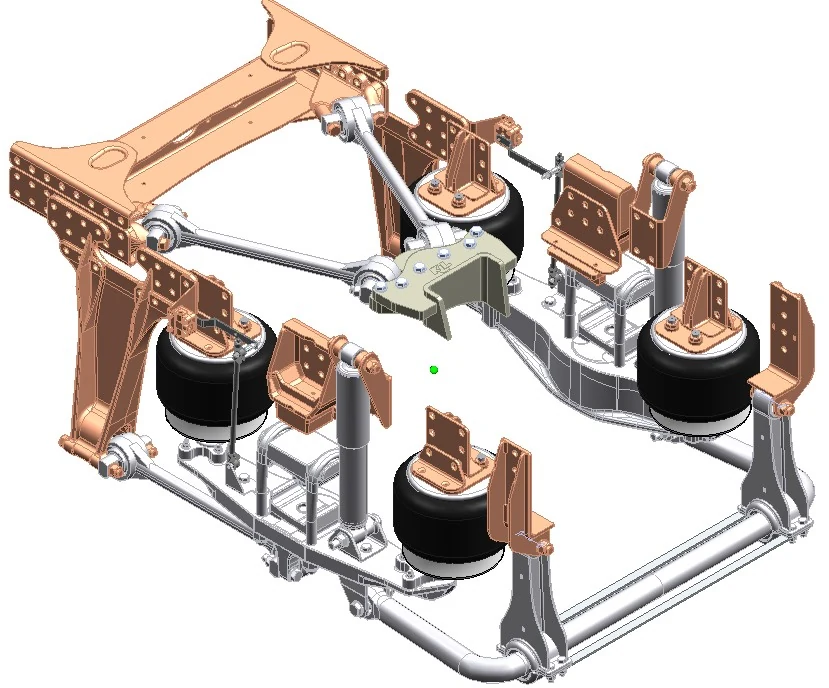
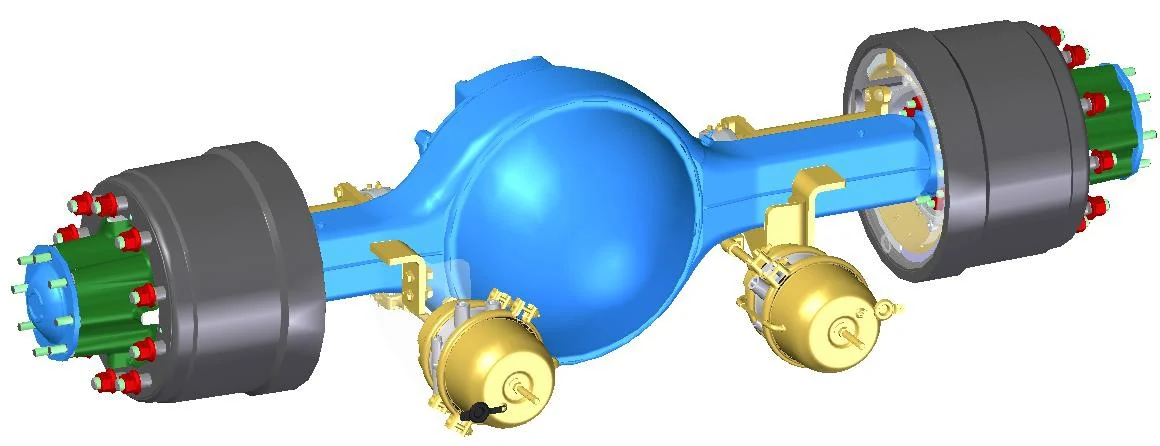
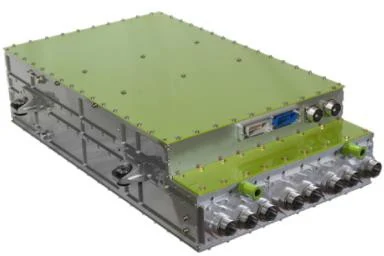
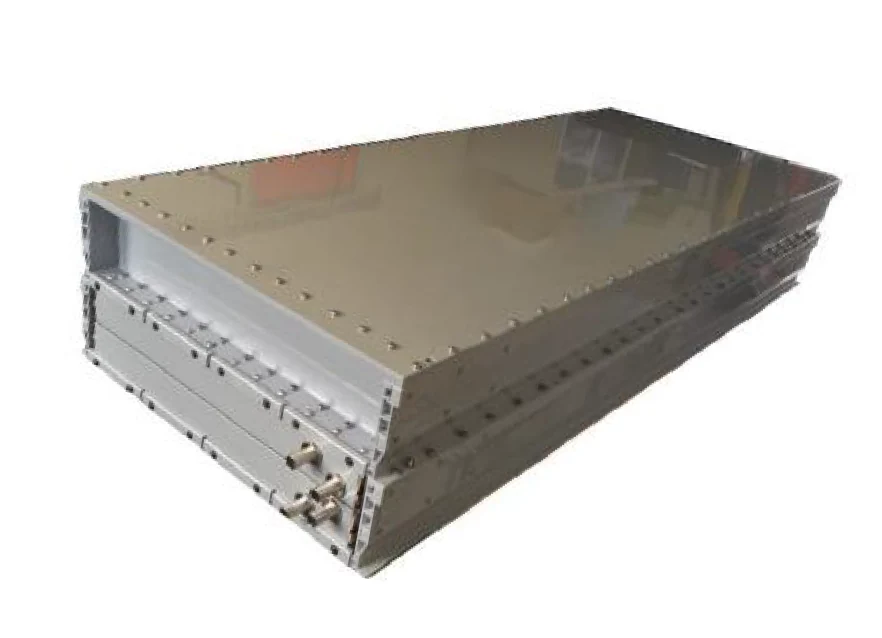
Our engineering portfolio includes electric rolling-chassis architecture, rear suspension and axle integration, propulsion control, energy storage and system-level vehicle interfaces. The illustrations below show the mechanical and electrical components used in platform design.
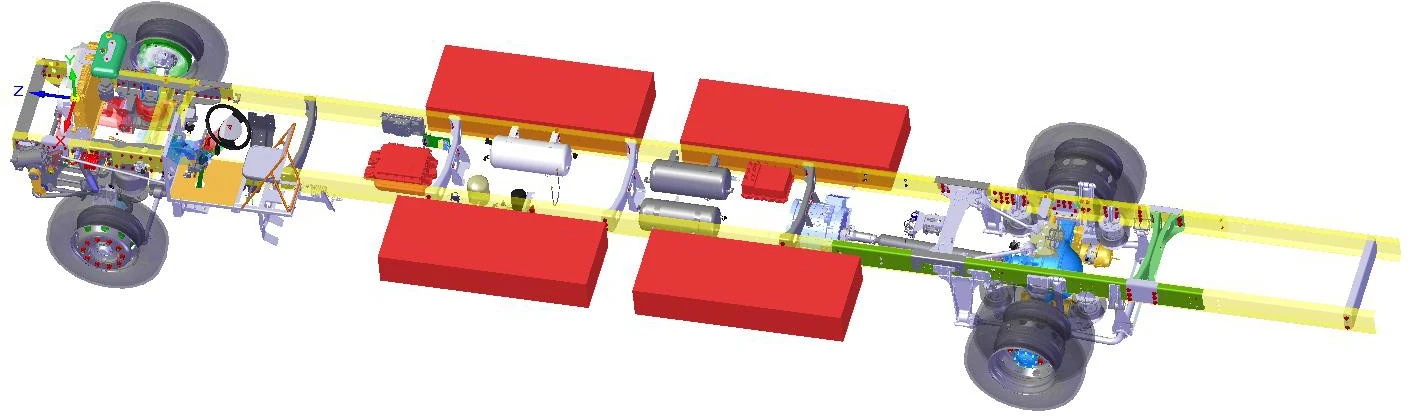
Engineering illustrations from NGV's electric vehicle platform presentation, including rear axle, suspension, electronic propulsion control and energy storage.

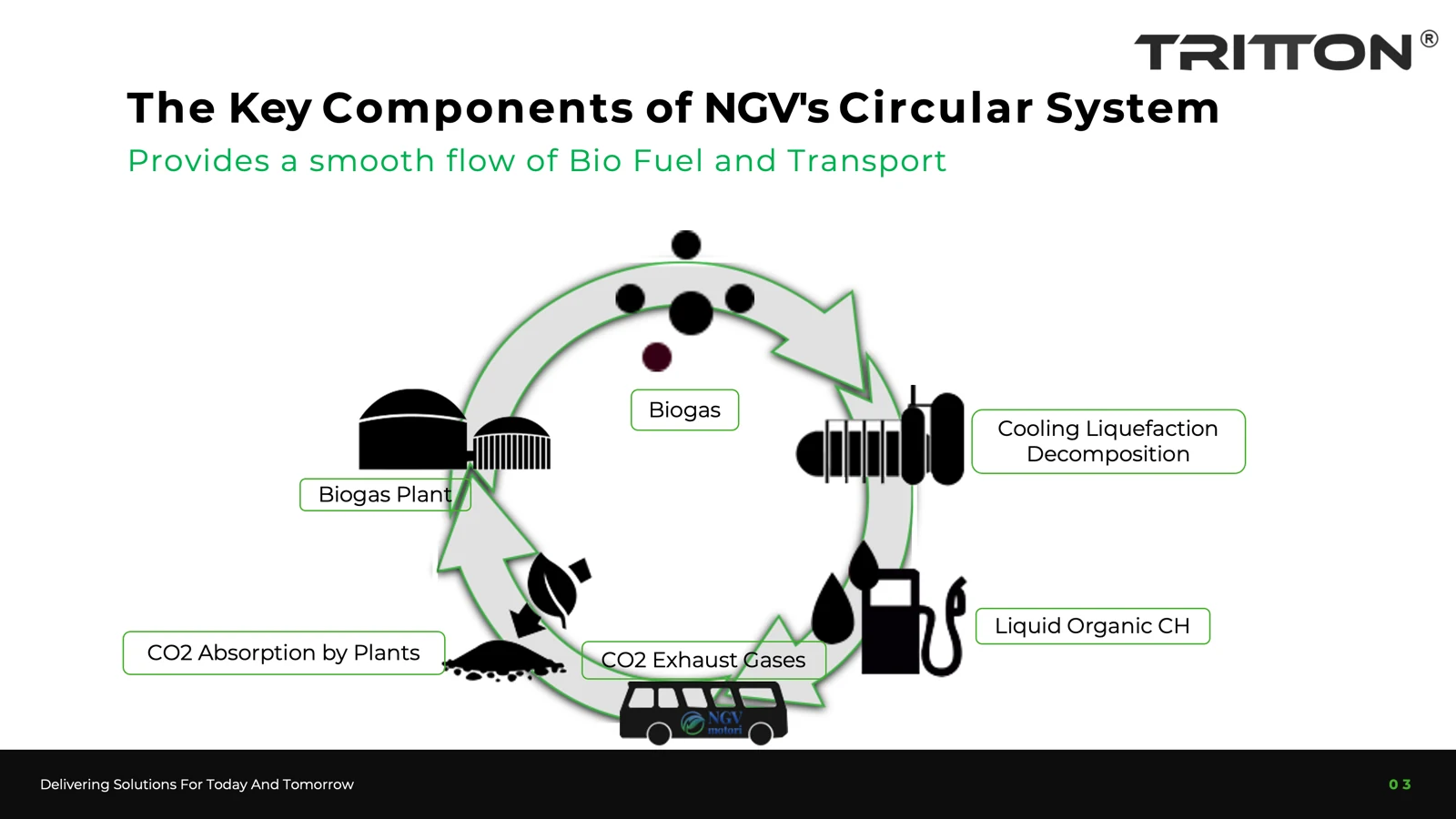
NGV’s circular-system concept illustrates how organic feedstocks can be converted into biogas, upgraded and conditioned for vehicle use, and supplied to compatible natural-gas powertrains. The illustration connects renewable-fuel production, fuel distribution, transportation and the biological carbon cycle.
Fuel supply, infrastructure, application, local regulations, energy economics and serviceability should determine the powertrain—not a one-size-fits-all technology claim.